Hair Loss in Men: A Guide on Prevention and Treatment
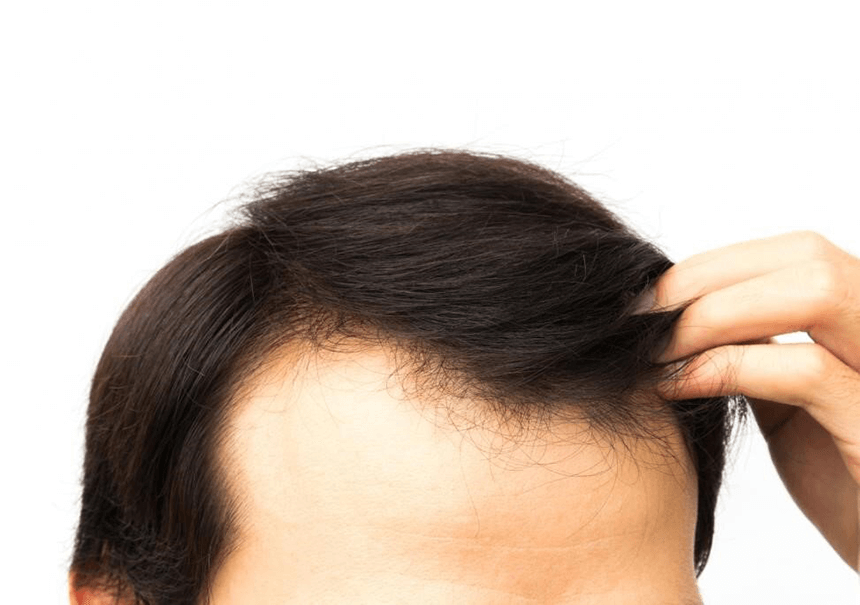
Hair loss in men is extremely common. In fact, nearly 85% of men experience thinning hair by age 50, and some begin noticing changes as early as their 20s. While alopecia is not usually caused by a serious medical condition, it can significantly affect confidence and quality of life. The good news is that effective, physician-guided hair loss treatments are available.
At HEALOR®, we offer comprehensive evaluation and evidence-based care through our specialized Hair Loss Treatment programs in Las Vegas.
What Causes Hair Loss in Men?
The most common cause of hair loss in men is male-pattern baldness (androgenetic alopecia)—a genetic condition influenced by hormones like DHT. This type of hair loss does not reverse on its own without treatment.
Other contributing factors may include:
- Certain medications
- Excess vitamin A
- Low protein intake
- Significant stress or illness (telogen effluvium)
Stress-related or nutritional hair loss is often reversible once the underlying cause is addressed. If hormonal imbalance is suspected, additional evaluation may be recommended, including Bioidentical Hormone Therapy when appropriate.
Hair Loss Prevention Tips
You can support healthier hair growth and slow hair loss by adopting these habits:
- Improve nutrition: Lean proteins, healthy fats, nuts, seeds, and micronutrients support follicle health.
- Stay hydrated: Dehydration weakens hair follicles.
- Correct vitamin deficiencies: Especially vitamins A, B-complex, C, D, and E.
- Avoid tight hairstyles: Chronic tension damages follicles.
- Manage stress: Chronic stress is linked to hair shedding.
- Limit smoking and alcohol: Both impair circulation to the scalp.
- Exercise regularly: Improves circulation and reduces cortisol levels.
Before starting supplements, consult a physician. Some supplements may worsen hair loss, which is why medical guidance matters. Medical Grade supplemnets can be purchased from reputable retailers such as healorx.
Diagnosis of Hair Loss in Men
Early diagnosis is key—it’s easier to preserve existing hair than regrow lost hair.
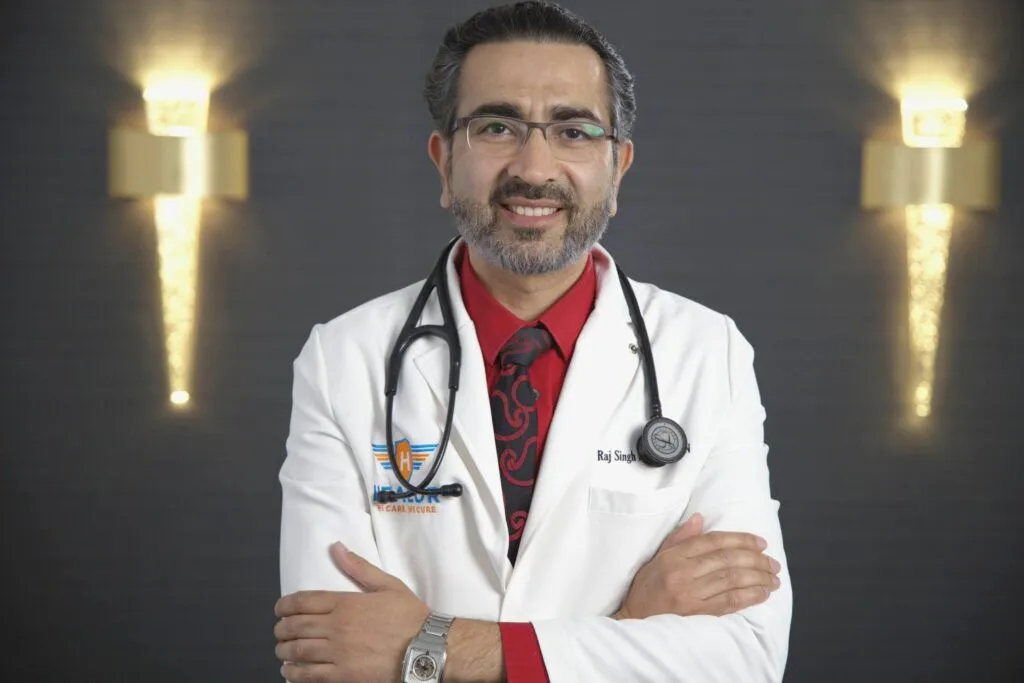
At HEALOR®, Dr. Raj Singh may perform:
- Medical and family history review
- Blood testing to rule out hormonal or metabolic causes
- Scalp and hair shaft examination
- Pull test or scalp biopsy when indicated
If fatigue, weight gain, or libido changes coexist with hair loss, further evaluation through Integrative Medicine may be recommended.
Hair Loss Treatments at HEALOR®
There are multiple effective options depending on the cause and severity of hair loss.
Medication-Based Treatments
- Minoxidil: FDA-approved topical treatment to slow hair loss and stimulate regrowth
- Finasteride: Oral prescription that reduces DHT levels (requires medical supervision)
At HEALOR®, we often prescribe custom-compounded topical formulations containing minoxidil, finasteride, azelaic acid, vitamin E, and other researched ingredients for improved results.
Platelet-Rich Plasma (PRP) Therapy
PRP Therapy uses your own blood-derived growth factors to stimulate follicles, improve scalp circulation, and increase hair thickness. It is often combined with medical therapy for best outcomes.
Hair Transplant Surgery
Hair transplants are a permanent solution for advanced hair loss and may be paired with ongoing medical treatments to preserve surrounding hair.
Expert Hair Loss Care in Las Vegas
Hair loss is common—but living with it doesn’t have to be. At HEALOR®, Dr. Raj Singh MD, FACP, FASN provides advanced, individualized care for men experiencing hair thinning and hair loss. He also trains other physicians nationally in evidence-based hair restoration techniques.
👉 Schedule a consultation to explore your hair loss treatment options and take the first step toward healthier hair.
-
What is the most common cause of hair loss in men?
The most common cause of hair loss in men is male-pattern baldness (androgenetic alopecia), a genetic condition influenced by hormones such as DHT. It typically progresses over time without treatment.
-
Can hair loss in men be reversed?
Some types of hair loss—such as stress-related shedding or nutritional deficiencies—can be reversed. Genetic hair loss can often be slowed or partially regrown with medical treatments like prescription medications or PRP therapy.
-
When should I see a doctor for hair loss?
You should see a physician if your hair loss is rapid, patchy, associated with fatigue or hormonal symptoms, or affecting your confidence. Early treatment helps preserve existing hair.
-
What treatments are available for hair loss in men?
Hair loss treatments may include topical or oral medications, PRP therapy, hormone evaluation, custom prescription hair solutions, or hair transplant surgery depending on severity and cause.
-
Does hormone imbalance cause hair loss in men?
Yes. Low testosterone, high DHT levels, thyroid disorders, and adrenal issues can contribute to hair thinning. Hormonal testing may be recommended to determine the underlying cause.