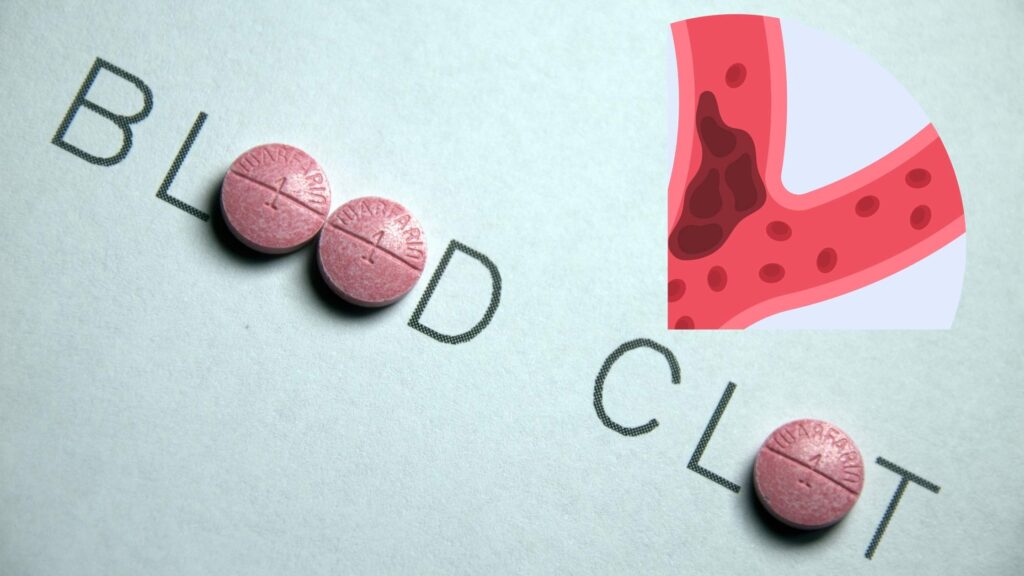
Semaglutide is generally considered a safe medication and has shown efficacy in lowering the risk of cardiovascular disease. However, recent clinical studies, namely the PIONEER and SUSTAIN analyses, have uncovered a concerning 266% increased risk of blood clots in diabetic patients using this drug. Can Semaglutide Cause Blood Clots?
The exact mechanisms and Can Semaglutide Cause Blood Clots is not exactly known at this time and further research as needed. Here are some possible reasons on why semaglutide would increase risk of blood clots.
👉 What Is Semaglutide and How Does It Promote Weight Loss?
What Is Semaglutide and How Does It Promote Weight Loss?
👉 Hormones & Weight Loss Connection
https://healor.com/hormones-weight-loss-connection/
Can Semaglutide Cause Blood Clots?
Semaglutide induced Diarrhea
Diarrhea is a common side effect of being on semaglutide type medications. In these studies diarrhea increased by 166%. Dehydration induced by diarrhea is likely a contributing factor to increasing risk of blood clots. The resulting dehydration from frequent diarrhea could potentially elevate the risk of blood clots, including conditions such as deep vein thrombosis, particularly in high-risk individuals who already suffer from diabetes and obesity
👉 What Is Medical Weight Loss and How Does It Work?
https://healor.com/what-is-medical-weight-loss-and-how-does-it-work/
Patients with diabetes
Diabetes is often referred to as the mother of all diseases due to its widespread impact on health. Individuals diagnosed with diabetes frequently experience a range of associated comorbid conditions. These can include limited mobility, which affects daily activities, an increased risk of infections that can complicate treatment, heart failure, lung issues, and chronic kidney disease. Each of these conditions contributes to a heightened risk of developing blood clots, which can lead to serious health complications.
👉 Tirzepatide vs Semaglutide: Which Is More Effective for Weight Loss?
https://healor.com/tirzepatide-vs-semaglutide-which-is-more-effective-for-weight-loss/
👉 Zepbound: The Breakthrough Weight Loss Medication
https://healor.com/zepbound-the-breakthrough-weight-loss-medication/
Obesity
Patient’s for overweight have limited mobility and increase abdominal pressures which may impede blood flow through the major blood vessels such as inferior vena cava and portal veins. In addition, obesity is associated with increased inflammation which is independent risk factor for forming blood clots. in fact, the risk of forming blood clots is directly correlated to obesity, the higher the BMI, the higher the risk of clot formation.
Homocysteine levels
Semaglutide is a medication that has been associated with decreased production of stomach acid, which can reduce the absorption of essential nutrients like vitamin B12. A deficiency in vitamin B12 can lead to increased levels of homocysteine in the blood, which is linked to an elevated risk of blood clot formation. High homocysteine levels can increase the risk of serious cardiovascular issues. It’s important to monitor vitamin B12 levels when taking Semaglutide and work with a healthcare professional to manage potential risks effectively.
Moreover, patients who are already taking acid-reducing medications, such as TUMS, omeprazole or famotidine, may experience even higher rates of vitamin B12 deficiency. This is due to the additional suppression of stomach acid caused by these medications, which further impairs the absorption of B12. Therefore, it is crucial for individuals on semaglutide to monitor their vitamin B12 levels regularly and consider supplementation. B12 injection can be particularly helpful in this situation as they avoid issues with intestinal B12 absorption.
👉 The Health Benefits of Vitamin B12
https://healor.com/the-health-benefits-of-vitamin-b12/
👉 Foods That Cause Insulin Resistance
https://healor.com/foods-that-cause-insulin-resistance/
Tips to reduce Semaglutide Blood Clots
- Increase fluid intake to prevent dehydration.
- Avoiding long flights and avoiding prolonged sitting for long periods of time.
- Regular exercise and increasing overall mobility.
- B12 supplementation , preferably injection as B12 absorption rates can be variable.
- Zinc supplementation may be helpful. there is very limited data supporting its use however semaglutide lowers zinc levels and this could be a contributing factor to formation of blood clot.
👉 The Benefits of Getting B12 Shots
https://healor.com/the-benefits-of-getting-b12-shots/
👉 New Patient Resources & Forms
https://healor.com/new-patient-resources/
👉 Contact Healor – Appointments & Questions
https://healor.com/contact/
👉 Patient Reviews & Testimonials
https://healor.com/reviews/
👉 Meet the Healor Medical Team
https://healor.com/our-team/
👉 About Healor – Our Mission & Philosophy
https://healor.com/about-us/
-
Can Can Semaglutide Cause Blood Clots?
Current research is mixed: while some analyses have found an increased risk of deep vein thrombosis (DVT) among semaglutide users, there isn’t definitive evidence that the drug directly causes blood clots, and in many large trials major clot events are uncommon.
-
What types of blood clots are people concerned about with semaglutide?
The primary concern in some studies has been deep vein thrombosis (DVT) — clots in deep leg veins that can lead to serious complications like pulmonary embolism if they break loose.
-
What symptoms might suggest a blood clot while taking semaglutide?
Watch for leg swelling, pain, warmth, or redness (possible DVT) and shortness of breath, chest pain, or lightheadedness (possible pulmonary embolism). Seek immediate care if these occur.
-
Are some people more at risk for clots when using semaglutide?
Yes — individuals with diabetes, obesity, immobility, dehydration (e.g., from GI side effects), smoking, or a personal history of clotting disorders are generally at higher risk for clots, whether or not they take semaglutide.
-
Should I talk to a healthcare provider in Las Vegas about clot risks from semaglutide?
Absolutely — discuss your personal risk factors (heart disease, clotting history, hydration status) and any symptoms with your provider to ensure appropriate monitoring and early intervention if needed.