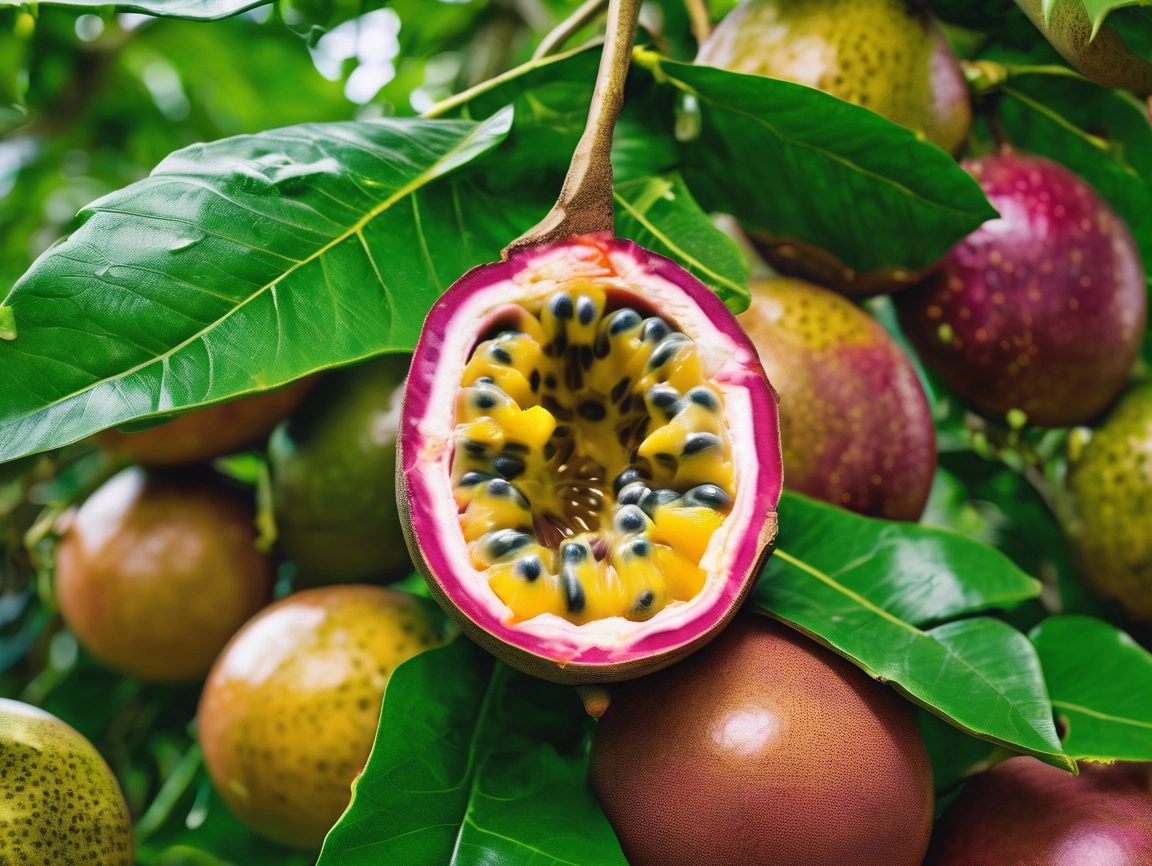
Uncover the facts on passion fruit toxicity, associated allergic reactions, and best practices to enjoy this nutritious fruit safely. Passion fruit is one of nature’s most vibrant and flavorful tropical treasures. But like many exotic foods, it comes with its share of health questions, fears, and sometimes—myths. Understanding passion fruit toxicity is vital for enjoying this fruit safely.
Is passion fruit toxic? Can it trigger allergic reactions? Is it safe during pregnancy or with medications? This guide separates fact from fiction, so you can enjoy passion fruit safely and confidently.
🍈 Is Passion Fruit Safe to Eat?
Learn more about the risks associated with passion fruit toxicity.
Yes—ripe passion fruit pulp is generally safe for most people. The juicy center of purple and yellow varieties (Passiflora edulis) is enjoyed worldwide in smoothies, desserts, and juices.
However, toxicity concerns arise when people consume:
- Unripe passion fruit
- Leaves and stems from certain Passiflora species
- Excessive amounts of juice
- If they have latex allergies or are on sedative medications
⚠️ Real Case: When Too Much of a Good Thing Goes Wrong
Consult professionals if you suspect passion fruit toxicity.
Awareness of passion fruit toxicity can prevent health issues.
A patient was hospitalized with high blood pressure and prolonged QT interval (a heart rhythm issue) after drinking 5–7 glasses of passion fruit juice daily. While rare, this shows that even healthy foods can become risky in excess.
🧪 Risk Factor #1: Cyanogenic Glycosides
These naturally occurring compounds release hydrogen cyanide when plant tissue is damaged.
🚫 Found In:
- Leaves
- Stems
- Unripe fruit of ornamental species like P. caerulea
✅ Safe Parts:
The pulp of ripe P. edulis fruit has undetectable or trace levels of cyanide. Cooking (e.g. jam-making) further reduces risk.
👍 Safe Eating Tips:
Practicing moderation can help prevent passion fruit toxicity.
- Eat only ripe, food-grade passion fruit
- Avoid chewing rinds or leaves
- Don’t consume ornamental species
🤧 Risk Factor #2: Allergic Reactions & Latex-Fruit Syndrome
Up to 50% of latex-allergic individuals may react to passion fruit due to cross-reactivity between similar proteins.
Discuss passion fruit toxicity with your healthcare provider.
🚨 Possible Symptoms:
- Mild: Itchy mouth, hives, stomach discomfort
- Severe: Anaphylaxis, difficulty breathing, dizziness
Pregnant women should be cautious about passion fruit toxicity.
👩⚕️ Who Should Be Cautious:
- Anyone with a latex allergy
- People with multiple food sensitivities
- First-time eaters should consume a small amount under supervision
✅ Allergy Safety Tips:
- Carry epinephrine if prescribed
- Speak to your allergist before trying passion fruit
😴 Risk Factor #3: Sedative Compounds & Drug Interactions
The sedative properties in passion fruit are mostly associated with Passiflora incarnata (passionflower), used in supplements—not the common table fruit.
Recognizing symptoms of passion fruit toxicity is essential for safety.
Still, excessive juice intake may cause drowsiness or interact with medications in some individuals.
⚠ Key Concerns:
- Drowsiness: May increase when combined with alcohol or medications
- Heart Rhythm Issues: QT interval prolongation linked to high intake
- Drug Interactions: Especially with sedatives or benzodiazepines
- Pregnancy: Avoid passionflower extracts; limit juice intake
✅ How to Enjoy Passion Fruit Safely and avoid passion fruit toxicity
Passion fruit can be a delicious and nutritious part of your diet—when consumed with awareness and moderation. Here’s a recap:
| Do This | Avoid This |
|---|---|
| Eat ripe fruit pulp | Unripe rinds, leaves, or stems |
| Buy from trusted food sources | Using ornamental varieties for eating |
| Limit to 1–2 servings/day | Drinking large quantities daily |
| Be aware of allergies and medications | Mixing with sedatives or alcohol |
| Seek medical help if you notice breathing issues or chest discomfort | Ignoring symptoms of allergic or cardiac reactions |
❤️ Stay Informed, Stay Safe
Knowledge empowers better choices. By understanding the facts, myths, and safety tips, you can keep passion fruit a joyful part of your diet—without the drama.
If you have health conditions, are on medications, or are pregnant, consult a healthcare provider before making passion fruit a regular part of your meals.
👉 Primary Care Service Page (Clinic & Doctors)
https://healor.com/service/primary-care/
👉 Contact Us
https://healor.com/contact/
👉 Our Team
https://healor.com/our-team/
-
Is passion fruit toxic to humans?
No, passion fruit is generally not toxic to humans. The fruit is safe to eat and offers many health benefits. However, certain parts of the fruit, such as the seeds and rind, can be tough to digest, so it’s best to consume the pulp and juice of the fruit.
-
Are the seeds of passion fruit harmful?
The seeds of passion fruit are not toxic, but they can be hard to digest for some people. While they’re packed with fiber and nutrients, consuming large amounts of seeds could cause digestive discomfort for some individuals, especially if they have sensitive stomachs.
-
Can passion fruit cause an allergic reaction?
While rare, some people may experience an allergic reaction to passion fruit. Symptoms could include itching, swelling, or digestive issues. If you’ve never eaten passion fruit before, it’s a good idea to try a small amount first to check for any potential allergies.
-
Is passion fruit safe for pregnant women?
Yes, passion fruit is generally considered safe for pregnant women when consumed in moderation. The fruit contains important vitamins and nutrients, but due to its high fiber content, it’s best to avoid excessive amounts to prevent digestive issues.
-
Can passion fruit be harmful to pets, especially dogs or cats?
Yes, passion fruit can be harmful to pets, particularly the seeds and rind. These parts of the fruit can cause choking, digestive upset, or even poisoning if ingested in large quantities. It’s safest to feed pets only the pulp (and in very small amounts) or avoid giving it to them entirely.